FASB would make a stablecoin cash, but only for some who hold it
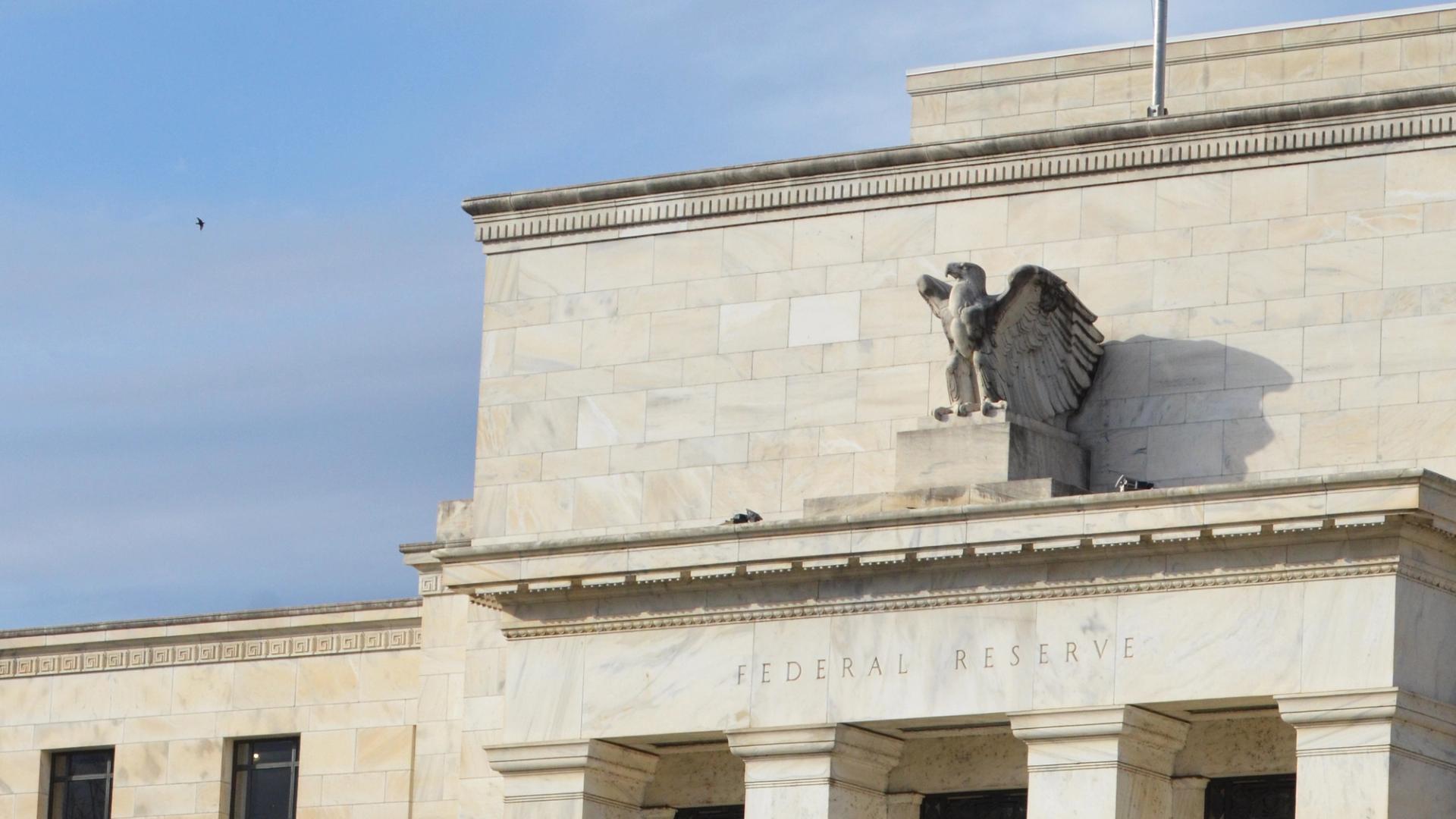
The Financial Accounting Standards Board proposed on 18 August that some stablecoins may sit on a balance sheet as cash equivalents, and set three conditions.
News, data and analysis on tokenized assets, market design and digital economic systems.
Issuer of USDC and EURC, listed on the New York Stock Exchange since 4 June 2025, most of whose reserve sits in a BlackRock-managed government money market fund; Coinbase receives 50% of residual reserve income.
Issuer of USDC and EURC, founded in Boston in October 2013 by Jeremy Allaire and Sean Neville and listed on the New York Stock Exchange since 4 June 2025 under the ticker CRCL. Most of the USDC reserve sits in the Circle Reserve Fund, an SEC-registered 2a-7 government money market fund managed by BlackRock, with the remainder in cash at large banks; the reserve composition was last published for 23 July 2026. The economics of the token are shaped by distribution: Circle's registration statement disclosed that Coinbase receives 50% of residual reserve income, and Coinbase held roughly 20% of USDC in circulation in 2024, up from 5% in 2022. On 10 July 2026 the Office of the Comptroller of the Currency gave final approval for First National Digital Currency Bank, N.A., trading as Circle National Trust, which will provide fiduciary digital asset custody and may eventually manage the reserve itself.
Developments in which Circle Internet Group, Inc. is a named party, newest first.
The Financial Accounting Standards Board proposed on 18 August that some stablecoins may sit on a balance sheet as cash equivalents, and set three conditions.

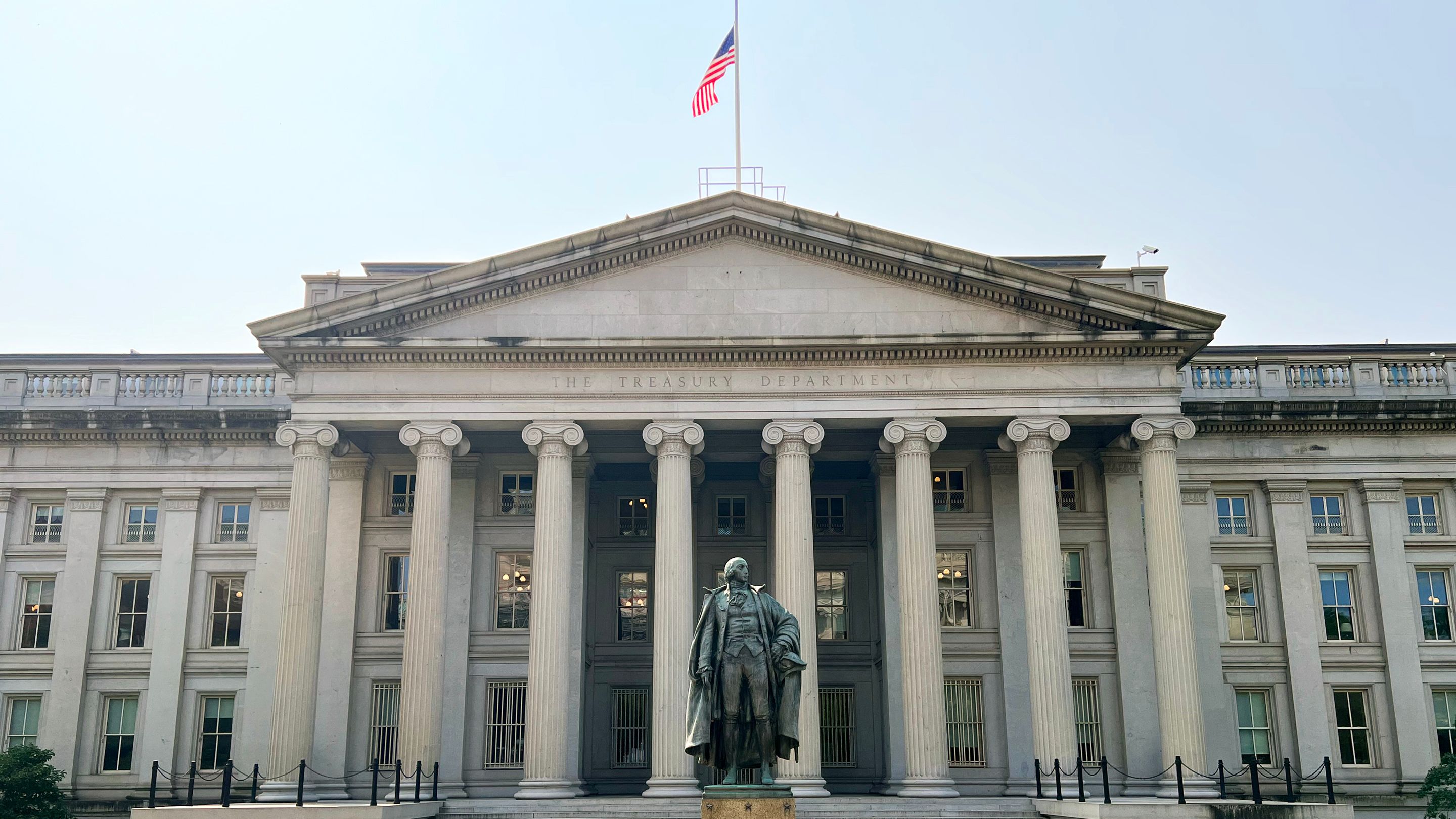
The Treasury proposed the rules deciding who may issue a dollar stablecoin in the United States, and read the GENIUS Act to let a qualifying foreign issuer do it here directly rather than only reach the market at second hand.

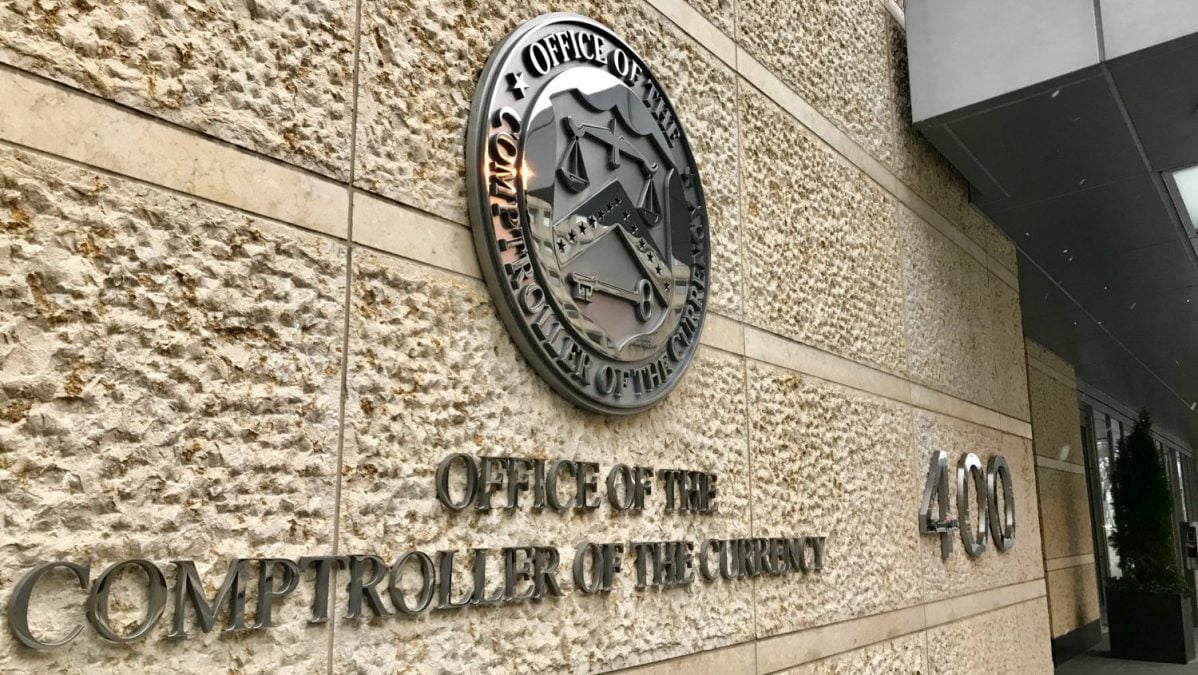
The Comptroller granted preliminary conditional approval on 14 August to charter World Liberty Trust Company, which will issue and redeem USD1, hold its reserve and custody digital assets as a fiduciary.
Total revenue and reserve income of $701m in the second quarter grew 7% year on year, short of the $712m CoinDesk says analysts expected, as a 66 basis point fall in the rate Circle earns on its reserves offset a quarter's growth in the coin's average supply.
Eleven institutions will secure the stablecoin issuer's own layer-one network before its 16 September mainnet, and the DTCC will make Arc a supported chain for tokenizing the assets it custodies from the second half of 2027.
The SEC-registered transfer agent brings its dShares home, selling every S&P 500 company for USDC through self-custody wallets, in what the firm calls an industry first.
The NYDFS has granted Circle Internet Trust Company a limited purpose trust charter, putting the USDC issuer under the New York Banking Law a decade after it took the first BitLicense.
Revenue of $1.22bn missed on both the trading and subscription lines and the shares fell about 5% after hours, in a quarter the exchange's own release leads on a record 10.3% share of crypto trading volume.
The USDC issuer acquires more than 680 patent families and says the deal makes it the largest US blockchain patent holder; the price was not disclosed.

The European Commission opened a two-part consultation on revising the Markets in Crypto-Assets Regulation in May 2026, with responses due by 30 August 2026.
The Financial Accounting Standards Board proposed illustrative examples for Topic 230 on 18 August 2026 setting out when a digital asset meets the existing definition of cash equivalents: an on-demand contractual redemption right, a direct right against the issuer, and segregated short-term liquid reserves held at least one for one. Comments close on 19 November 2026.
The Treasury issued a notice of proposed rulemaking on 17 August 2026 implementing section 3 of the GENIUS Act, published the next day at 91 FR 53368 with comments due by 19 October. It would create 12 CFR part 1523, read section 18(a) to let qualifying foreign issuers issue in the United States, and treat market making in an unlawful issuance as participation in it.
Corporate Decision #1385 of 14 August 2026 grants preliminary conditional approval to charter World Liberty Trust Company, National Association, which would issue and redeem USD1, hold its reserve and custody digital assets as a fiduciary, assuming the issuer's role from BitGo Bank & Trust. Seven conditions attach, including $20m of tier 1 capital.
Circle reported second-quarter 2026 revenue and reserve income of $701m on 5 August, up 7% year on year, with reserve income of $668m up 5% as a 66 basis point fall in the reserve return rate offset 25% growth in average USDC in circulation. USDC in circulation was $73.3bn at the quarter end and net income from continuing operations $48m.
BlackRock, the DTCC, Galaxy, Global Payments, ICE, Mastercard, MoneyGram, SBI Group, Standard Chartered, Sumitomo Corporation and Visa will run validators on Arc, Circle's layer-one network, ahead of a public mainnet set for 16 September 2026. BlackRock is expected to deploy BUIDL on it, and the DTCC to make it a supported blockchain for its tokenization service in the second half of 2027.
Dinari opened trading in 724 tokenized US stocks, the S&P 500 among them, to eligible US investors on 4 August 2026, settled in USDC through self-custody wallets and running on Ethereum, Arbitrum, Base and Avalanche. Dinari Inc is an SEC-registered transfer agent; its affiliate Dinari Securities LLC is a FINRA member broker-dealer. It opened platform licences to US financial institutions the same day.
The New York State Department of Financial Services granted Circle Internet Trust Company LLC, trading as Circle New York Trust, a limited purpose trust charter on 31 July 2026, permitting fiduciary, custody and asset-management services under the New York Banking Law. It sits alongside the national trust bank approval the Office of the Comptroller of the Currency gave Circle on 10 July 2026.
Circle said on 27 July 2026 that it had acquired IBM's blockchain patent portfolio, more than 680 patent families and close to 1,000 issued patents worldwide, covering foundational technology alongside applications in banking, insurance, enterprise infrastructure and supply-chain verification. No price was disclosed.
DTCC began limited production trades on the DTC Tokenization Service in July 2026, covering Russell 1000 constituents, large index-tracking exchange-traded funds and US Treasury bills, notes and bonds, with commercial launch targeted for October 2026. More than 50 firms, among them BlackRock, Goldman Sachs, JPMorgan, Kraken and Circle, joined the industry working group; DTCC said tokenized holdings carry the same entitlements and ownership rights as assets held in conventional form.
Circle, the issuer of the USDC stablecoin, priced an upsized initial public offering of 34m Class A shares at $31 each, implying gross proceeds of about $1.05bn. Circle sold 14.8m shares and selling stockholders 19.2m, with trading due to begin on the New York Stock Exchange under the ticker CRCL on 5 June 2025.
Circle said it had obtained an electronic money institution licence from France's ACPR, allowing Circle Internet Financial Europe SAS to issue USDC and EURC under MiCA. It was the first global stablecoin issuer to bring its euro and dollar tokens within the EU regime.
USDC traded below one dollar after Circle disclosed that $3.3bn of its cash reserves, about 8% of the total, was held at Silicon Valley Bank. Circle later reported the reserve as 77% short-dated US Treasury bills, $32.4bn, and 23% cash, $9.7bn, custodied at BNY Mellon.
MoneyGram began letting customers convert cash to and from USDC at its retail agent locations, using the Stellar network for settlement. The service opened in Canada, Kenya, the Philippines and the United States, with wider availability planned.
Circle launched USD Coin as the first issuance under CENTRE's standard, which required members to back all tokens on a fully reserved basis, publish monthly attestations of reserves by certified public auditors, and hold a banking, money transmission or trust licence. Circle stated at launch that while it might be the first USDC issuer it would "certainly not be the last", establishing a multi-issuer model for a single dollar token.
What issued, what settled, what the supervisors changed, with the numbers behind it and a note on what the numbers do not show. One email, Thursday mornings.
Unsubscribe in one click.