Cryptoeconomics

News, data and analysis on tokenized assets, market design and digital economic systems.

Central bank

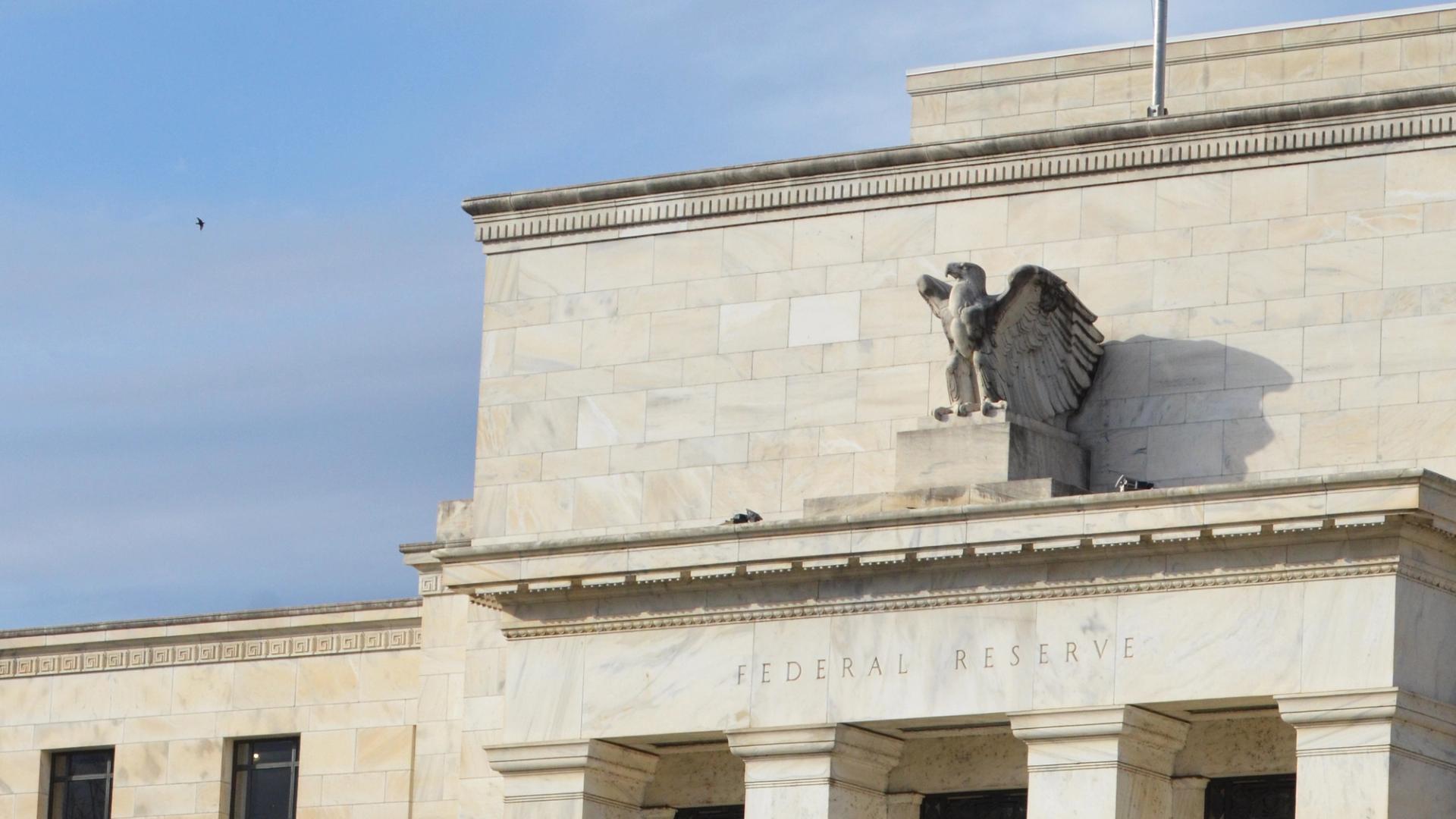
Board of Governors of the Federal Reserve System

Governing body of the United States central bank, created by the Federal Reserve Act of 1913, which on 24 September 2026 proposed the reserve, capital and application rules for the stablecoin issuers the GENIUS Act places under its supervision, and the tying rule that binds every permitted issuer.

Kind Central bank
Jurisdiction United States
Founded 1913
Stories filed 1

The profile

The Board describes the Federal Reserve as the US central bank, "created by the Federal Reserve Act of 1913 to establish a monetary system that could respond effectively to stresses in the banking system". The System is the Board of Governors, a federal agency in Washington run by seven governors serving staggered 14-year terms, and twelve Reserve Banks with their branches, which the Board supervises and which carry out supervision and examination, lending to depository institutions and the operation of payment services. Its five stated functions are monetary policy, financial stability, the supervision and regulation of financial institutions, payment and settlement system safety and efficiency, and consumer protection and community development. The GENIUS Act gives it two stablecoin roles. It is the primary federal regulator of what it calls Board-supervised permitted payment stablecoin issuers, which are subsidiaries of insured state member banks approved to issue and state-qualified issuers that are uninsured depository institutions with $10bn or more outstanding and move to its framework. And it holds exclusive authority to write the Act's tying prohibition for every permitted issuer, including those it does not supervise. Its proposals of 24 September 2026 say that no Board-supervised bank currently owns a stablecoin issuer.

Frameworks and functions

Board-supervised issuer framework
Proposed under docket R-1899: reserves at or above par in short-dated safe assets and their tokenized forms, a two per cent charge on uninsured deposits and undercollateralised repo, a graduated operational risk charge of 1 to 2 per cent of coins outstanding, and a presumption against yield paid through an affiliate or partner.
Applications procedure
Proposed under docket R-1900: how an insured state member bank seeks approval for a subsidiary to issue payment stablecoins, with the Act's 120-day decision period after an application is substantially complete, and deemed approval if the Board does not decide in time.

Coverage

Developments in which Board of Governors of the Federal Reserve System is a named party, newest first.

On the record

The Federal Reserve proposes reserve, capital and application rules for the stablecoin issuers it will supervise

Two GENIUS Act proposals: reserves at par in short-dated safe assets or tokenized forms with identical rights, a two per cent charge on uninsured deposit reserves, a graduated operational risk charge of 1 to 2 per cent of coins outstanding, and a presumption against yield paid through a partner. The Board says no bank it supervises owns an issuer.

The weekly read on onchain market economics

What issued, what settled, what the supervisors changed, with the numbers behind it and a note on what the numbers do not show. One email, Thursday mornings.

Unsubscribe in one click.