Cryptoeconomics

News, data and analysis on tokenized assets, market design and digital economic systems.

Central bank

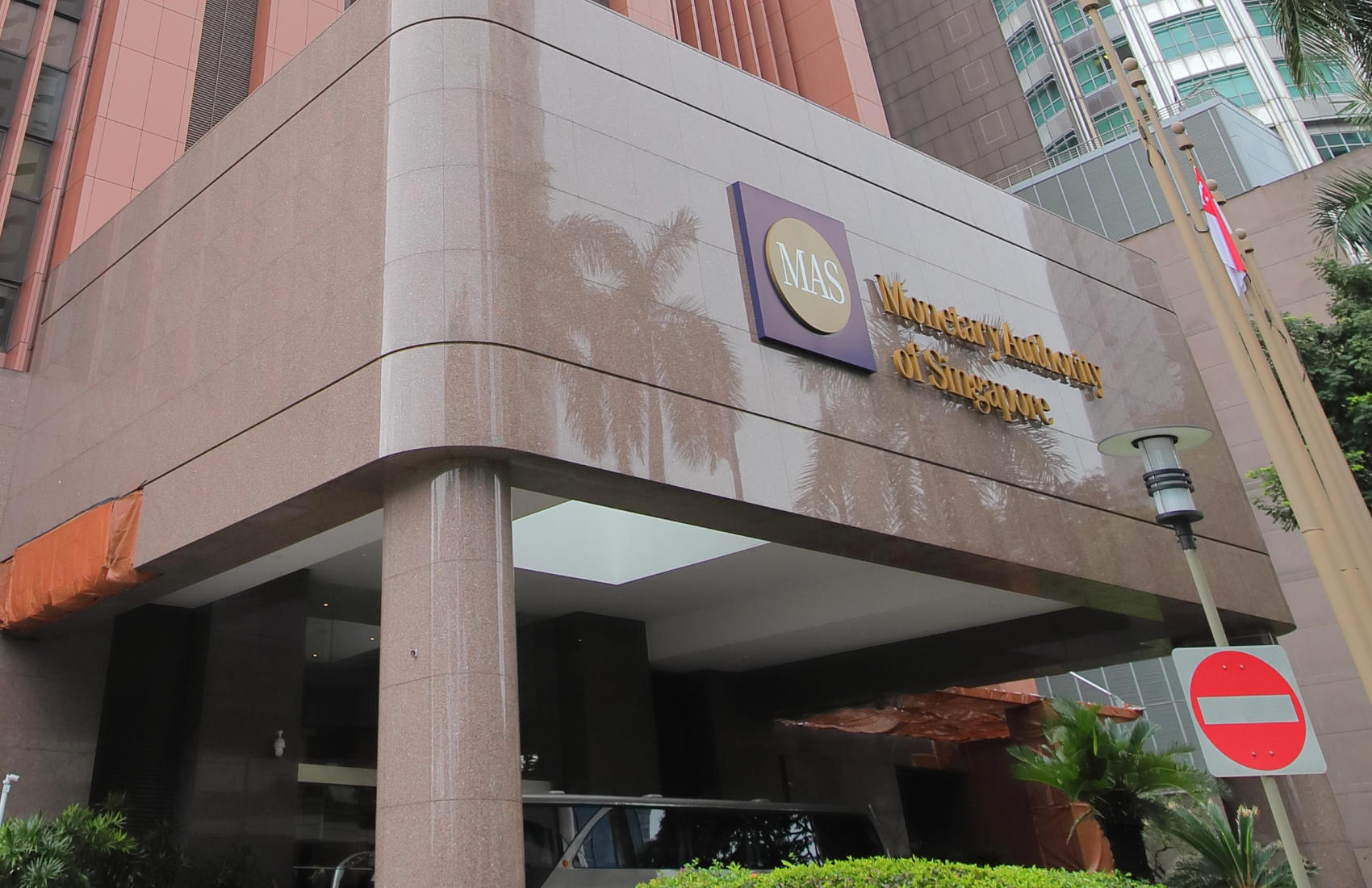
Monetary Authority of Singapore

Singapore's central bank and integrated financial regulator, formed on 1 January 1971 and now the supervisor of the whole financial sector, whose single-currency stablecoin framework of 2023 is being turned into law through amendments to the Payment Services Act consulted on in September 2026.

Kind Central bank
Jurisdiction Singapore
Founded 1971
Stories filed 1

The profile

The Monetary Authority of Singapore describes itself as 'Singapore's central bank and integrated financial regulator', a combination that is unusual among large financial centres and that shapes how it has approached tokenized money. Parliament passed the Monetary Authority of Singapore Act in 1970 and MAS was formed on 1 January 1971, taking over monetary functions previously spread across government departments; insurance regulation came to it in April 1977, securities regulation in September 1984, and currency issuance on 1 October 2002 when it merged with the Board of Commissioners of Currency. As central bank it conducts monetary policy through the exchange rate rather than an interest rate, manages the official foreign reserves and oversees payment systems; as supervisor it has prudential oversight of banks, insurers, capital market intermediaries, financial advisers and the exchanges; and it has an explicit statutory job of developing Singapore as an international financial centre, which is why its digital asset work reads as industry development as often as it reads as regulation. Its board is appointed by the President and chaired on the Cabinet's recommendation, currently by Deputy Prime Minister Gan Kim Yong, with Chia Der Jiun as managing director. On stablecoins it consulted in October 2022, published a finalised framework in August 2023 for single-currency stablecoins pegged to the Singapore dollar or a G10 currency, and on 1 September 2026 put the legislative text out for comment, proposing a dedicated licence class, a bar on issuers doing anything else, a prohibition on paying interest, a designation regime for systemic stablecoins and a reversal of its own 2023 position against multi-jurisdictional issuance.

Frameworks and functions

MAS-SCS framework
The single-currency stablecoin regime. Only licensed issuers may hold themselves out as MAS-regulated, and only stablecoins pegged to the Singapore dollar or a G10 currency qualify. Everything else is treated as a digital payment token.
Payment Services Act 2019
The statute that licenses seven kinds of payment service in Singapore and that the stablecoin framework is being written into, adding stablecoin issuance as a licence class of its own and a new Part 2A for systemic stablecoins.
Designated Systemic Stablecoin
A stablecoin MAS may designate where necessary to prevent systemic risk, whether issued in Singapore or abroad and whether or not its issuer is licensed here. A designated issuer that fails MAS requirements can have the token delisted from Singapore venues.

Coverage

Developments in which Monetary Authority of Singapore is a named party, newest first.

On the record

MAS consults on writing its stablecoin framework into the Payment Services Act

The Monetary Authority of Singapore published consultation paper P015-2026 on 1 September 2026, proposing a stablecoin issuance licence whose holder may do nothing else, a prohibition on paying interest, a designation regime for systemic stablecoins with power to have them delisted, and a reversal of its 2023 bar on multi-jurisdictional issuance. Comments close on 16 October.

The weekly read on onchain market economics

What issued, what settled, what the supervisors changed, with the numbers behind it and a note on what the numbers do not show. One email, Thursday mornings.

Unsubscribe in one click.